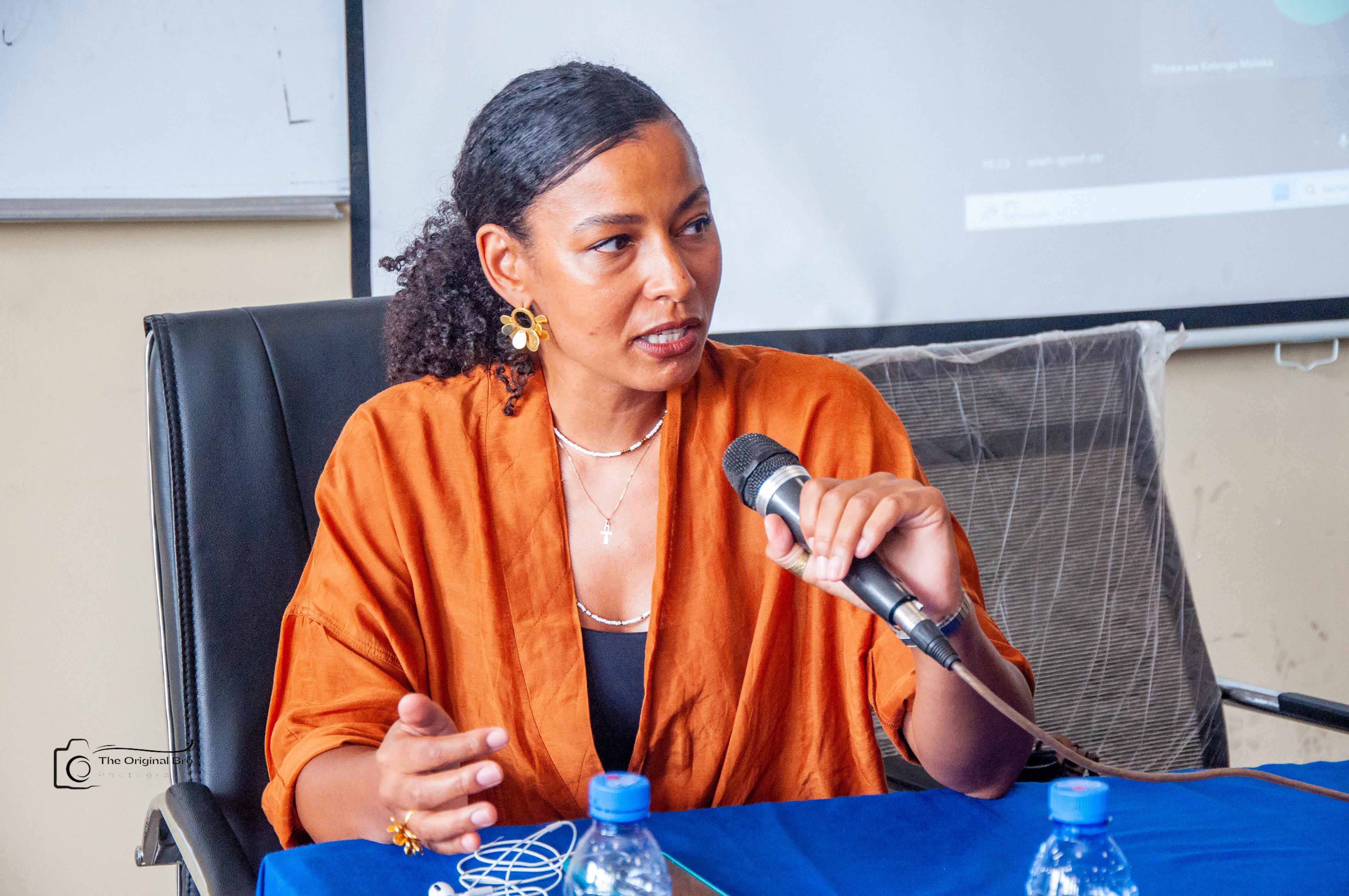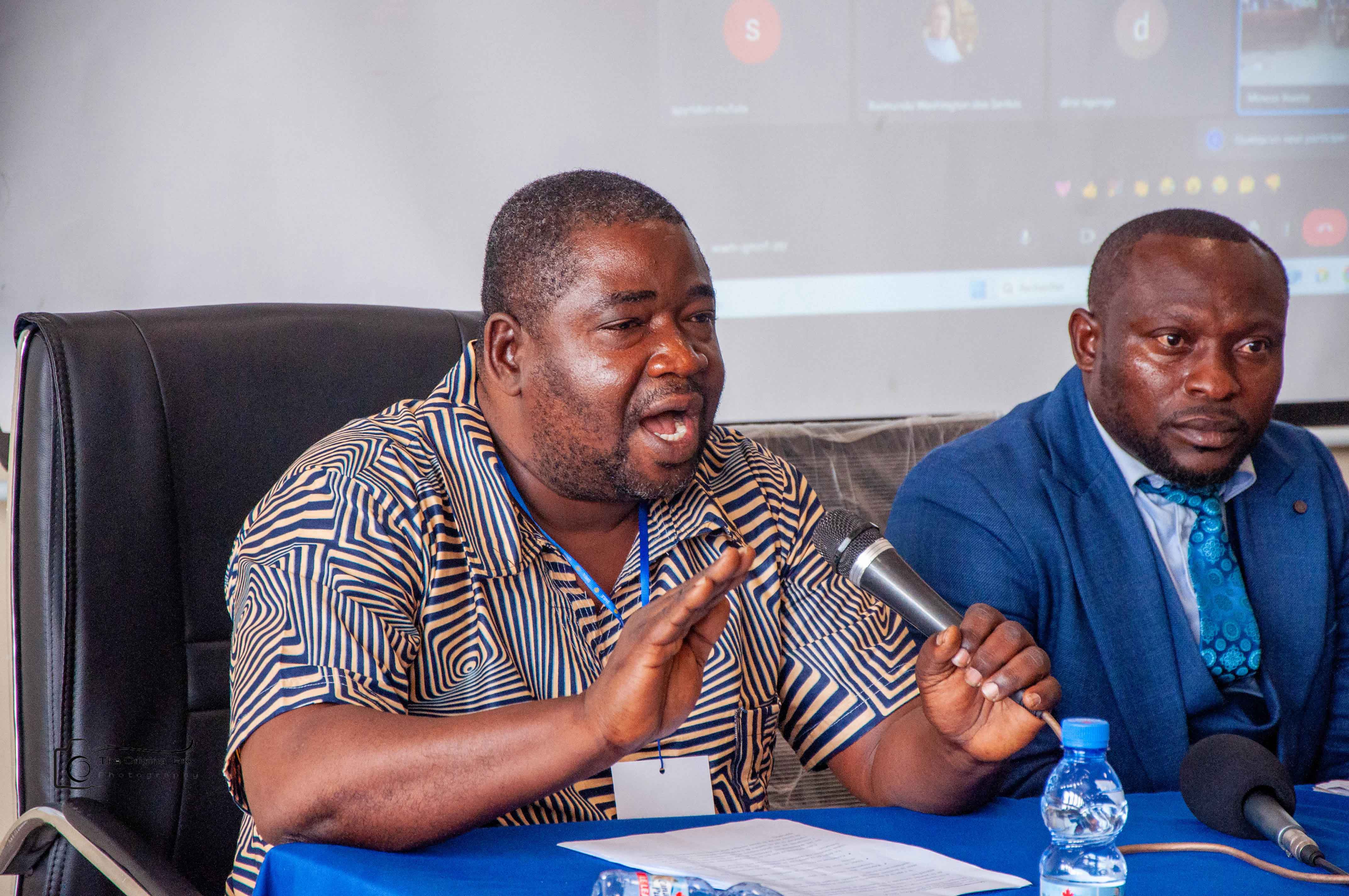
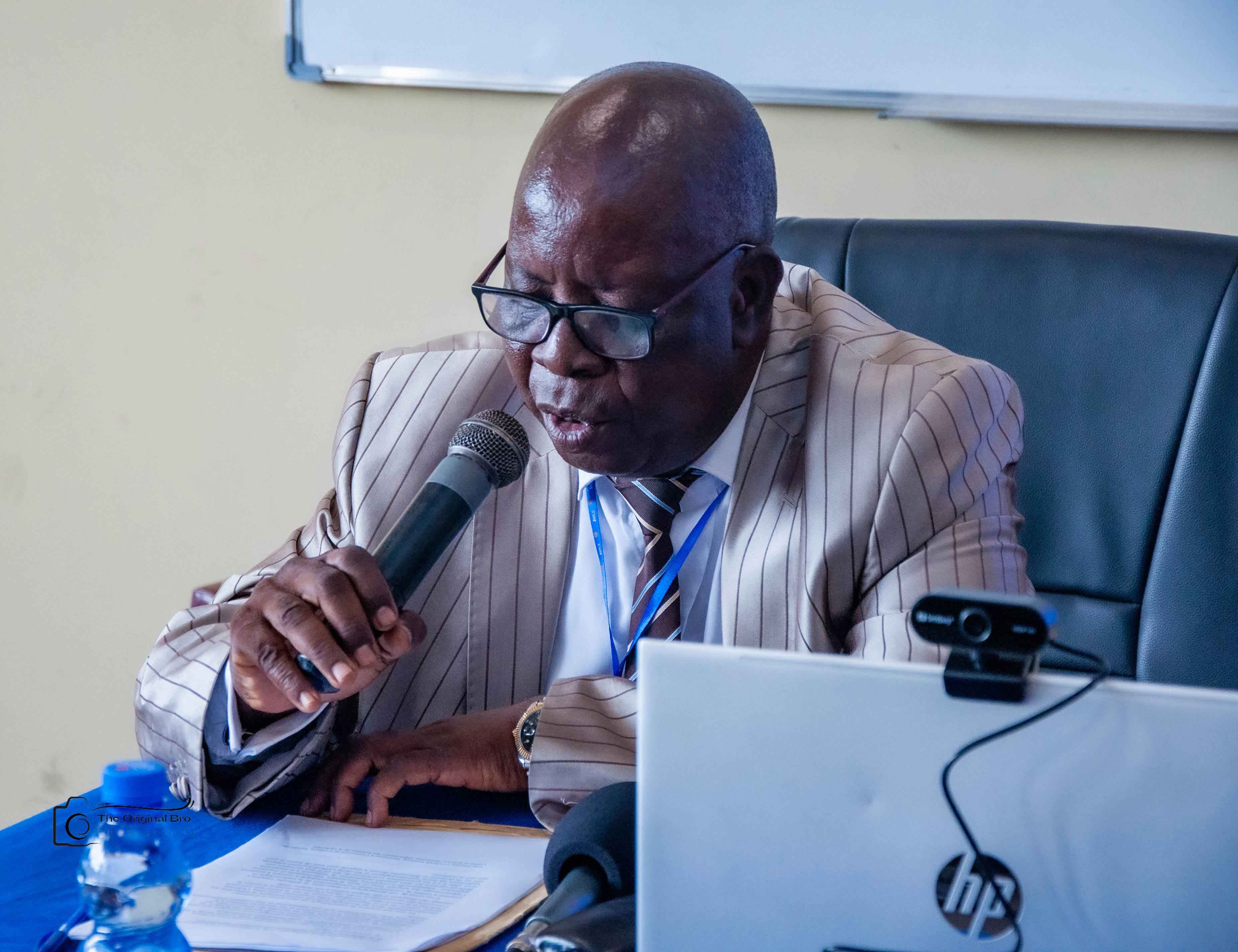
In his recent interview, Professor EYUPAR from the Faculty of Arts and Translation Sciences emphasized the vital importance of collaboration between academic institutions and translation professionals. His insights underscore the urgent need to align the efforts of theorists and practitioners to enhance the quality of training in this field.
Professor EYUPAR discussed the current challenge of training primarily generalists at a time when the translation industry is increasingly leaning towards specialization. He stressed that higher education institutions, such as the Université Pédagogique Nationale (UPN) and the Université de Kinshasa (UNIKIN), must collaborate with the Association des Traducteurs et Interprètes Professionnels du Congo (ATIPCO) to develop training programs that address the specific needs of the market. This collaborative approach will better prepare students for today’s professional requirements.
The employability of graduates was another significant topic of discussion. He highlighted the necessity of training translators and interpreters who can contribute meaningfully to society. To achieve this goal, it is essential to establish linguistic and cultural policies that integrate the education of translators and interpreters within a framework of sustainable development. The aim is to create job opportunities for graduates, ensuring their successful integration into the job market.
Professor EYUPAR's vision calls for a thorough reevaluation of translation education programs. By fostering discussions between academic institutions and industry stakeholders, specialization pathways tailored to market needs can be created, thereby promoting innovation and quality in the translation sector.
In conclusion, this interview serves as a crucial reminder of the importance of proactive collaboration among various stakeholders to train skilled professionals who are equipped to meet the realities of the modern world. The future of translation lies in this synergy, which has the potential to transform translation training and make a significant impact on society.